Amphibians and Reptiles
The UK is home to only 13 native species of amphibians and reptiles with a number of introduced species also present in some areas. Dawlish Warren is similarly impoverished with six native species recorded plus the introduced population of Sand Lizard.
Related Link: Amphibian & Reptile Conservation Trust
Page last updated 03/10/21
Common Lizard
Lacerta vivipara
This widespread species can be encountered almost anywhere on site,
but is most frequently encountered along the Dune Ridge and other areas of
bare sand, although numbers appear to be in decline. Some bright green individuals have been wrongly reported as Sand Lizard in the past. The predation of this species by Kestrels
has been noted in some years.
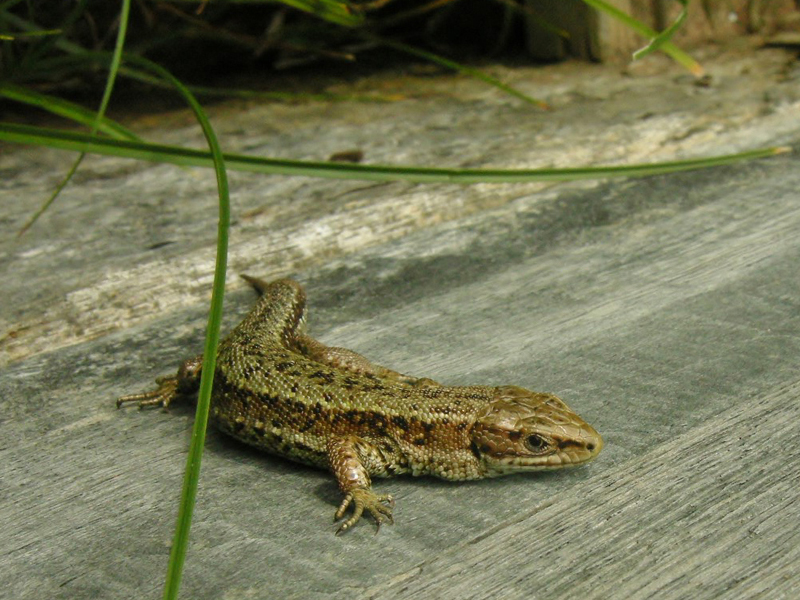
© Lee Collins
Sand Lizard Lacerta agilis
This nationally rare species was introduced to the site by the
Herpetological Conservation Trust in the mid 1990s with support from English
Nature's Species Recovery Project. Although not native to the site, the
species is found in similar habitats in Dorset and Lancashire, individuals
from Dorset populations were released here. The species is now well
established and is the most likely lizard species to be encounted on site
The predation of this species by Kestrels has been noted in some years. This species is fully protected by law and it is an offence
to disturb them in any way.
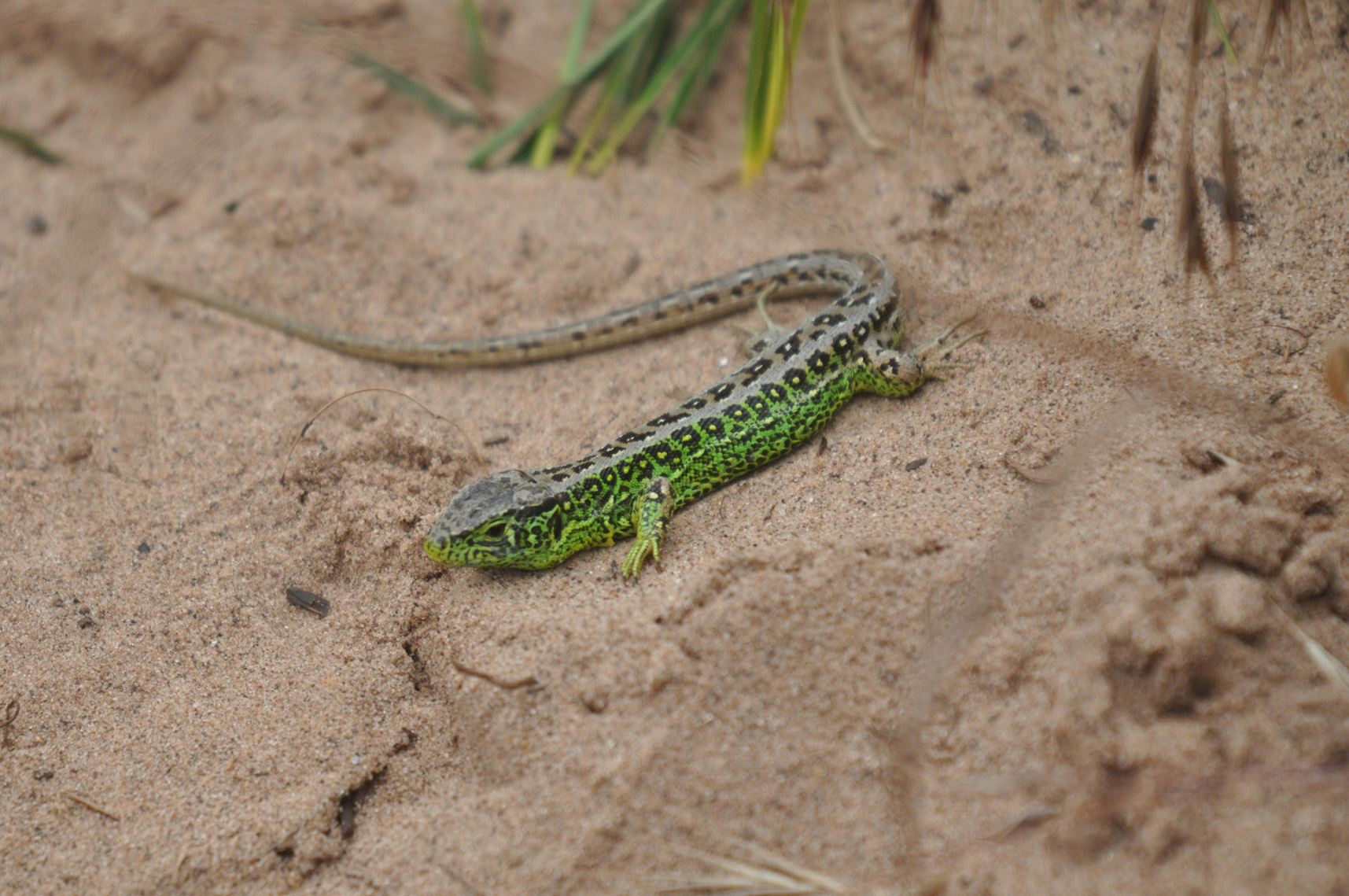
© Simon Thurgood
Slow-worm Anguis fragilis
This species was regular onsite but by 1992 it had not been seen for
several years. There
were no further records until 2007. A record in spring 2007 was
followed by one along the Back Path in July 2007. They proved to be regular in
this area and are also present on the Golf Course.
Numbers appear to be in decline.
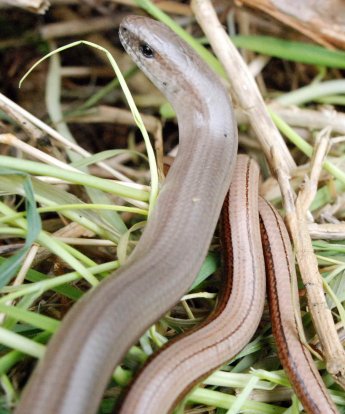
© Simon Thurgood
Adder Vipera berus
The only confirmed record for this species in the Recording Area was during
Summer 2005, when one was seen along the Dune Ridge by those monitoring the
Sand Lizards. This is the only snake
record for the Warren.
[Common Musk Turtle
Sternotherus odoratus
A common species of eastern North America that is often kept as a pet. One
that had been illegally released was seen and soon removed from the Main
Pond in Sep 2021.]
Common Toad Bufo bufo
This species is widespread and can be found in all ponds on site. The Main
Pond is the major spawning area, but the young toadlets can be found almost
anywhere at the right time of year.
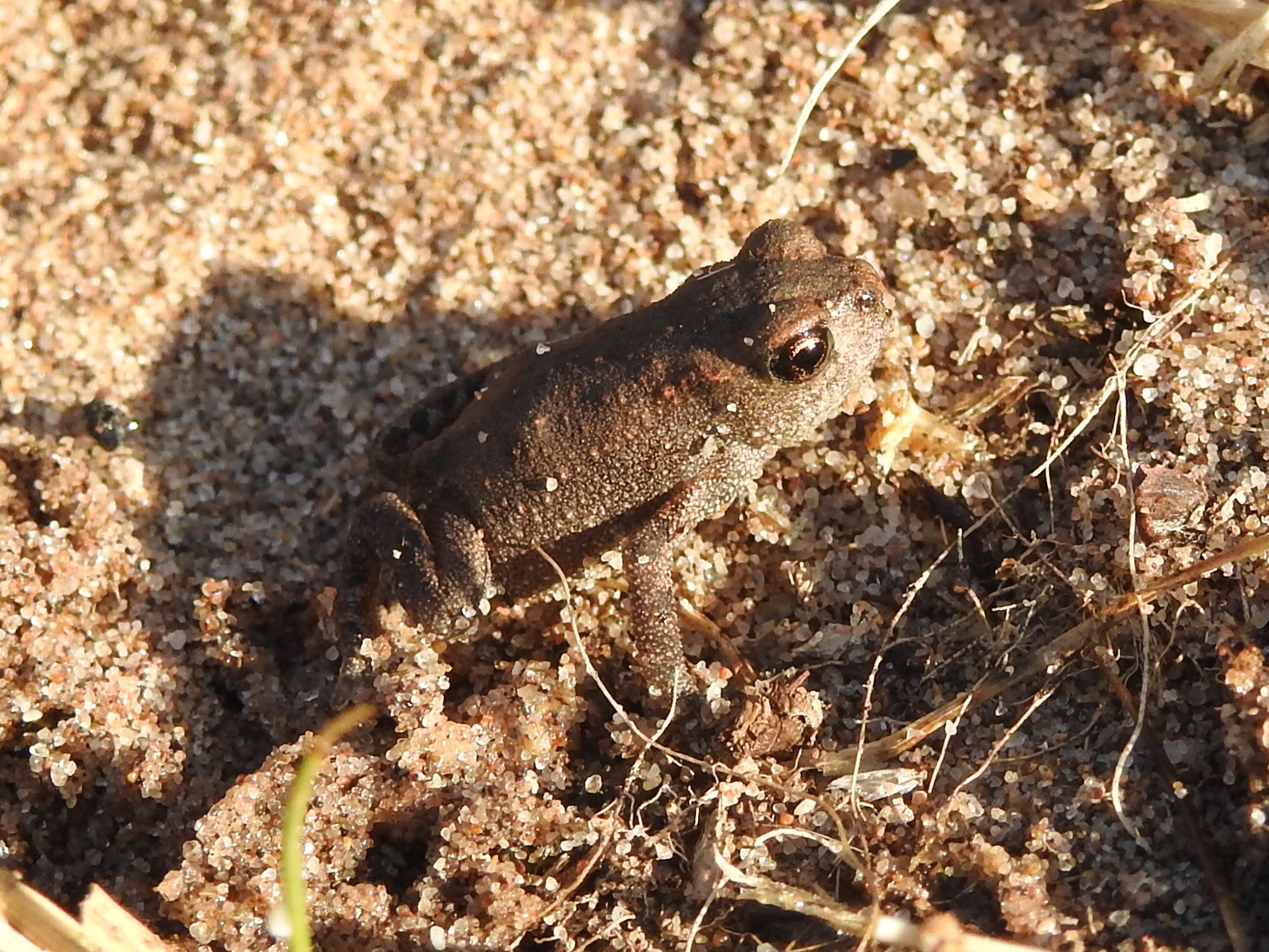
© Alan Keatley
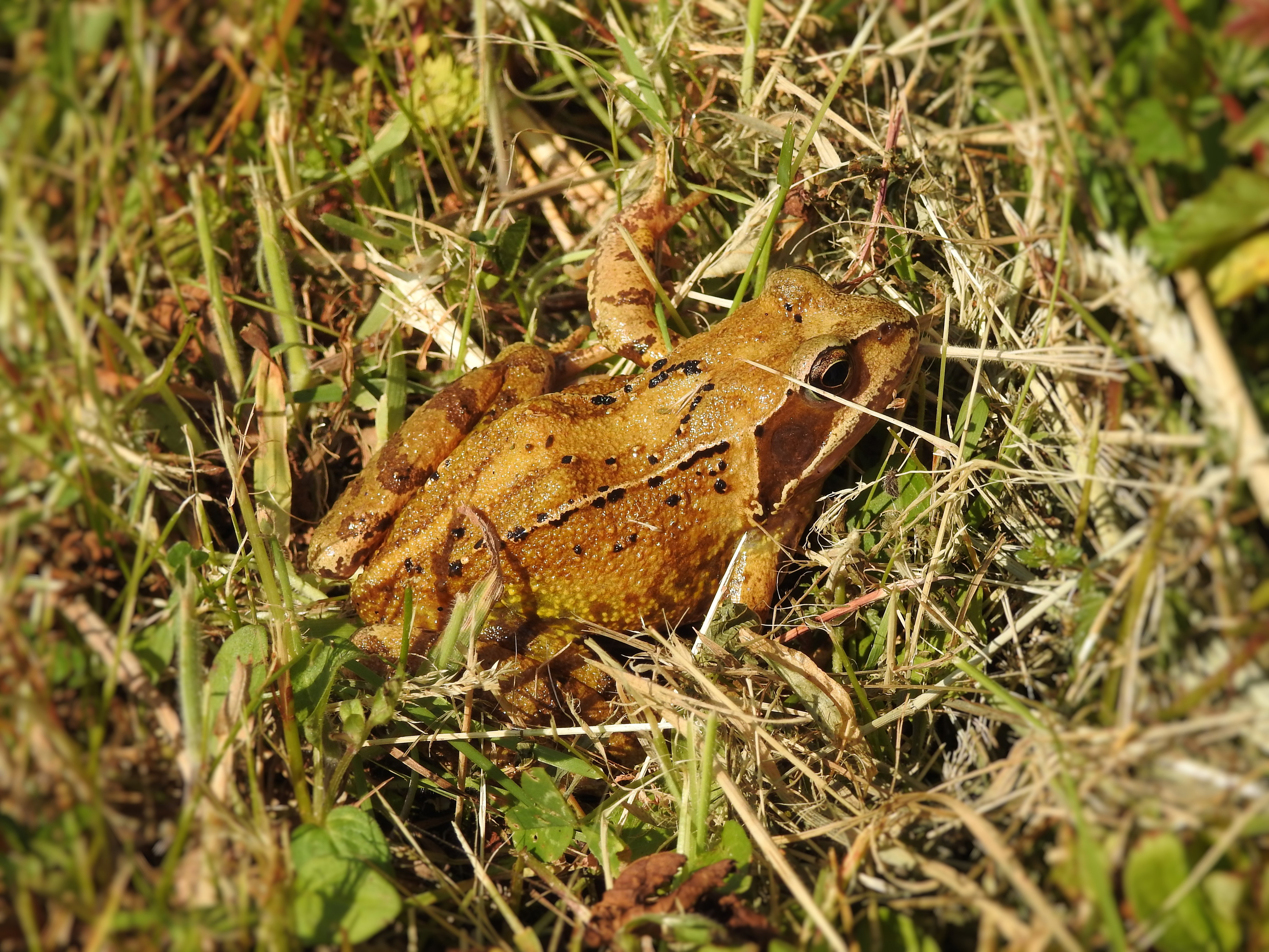
Common Frog Rana temporaria
Until recently this was a very rare visitor to the Recording Area with
only a handful of records. It is possible that this species was introduced, it
is now recorded breeding each year, although much of the spawn is found in
flooded areas and perishes as the flood waters dry out.
© Alan Keatley
Palmate Newt Triturus helveticus
There are few records of this species on site, although it is assumed to
breed in the Main Pond. The majority of recent records have been from areas
where grass and other cut vegetation has been left, the dump in the Main Wood
was particularly favoured.